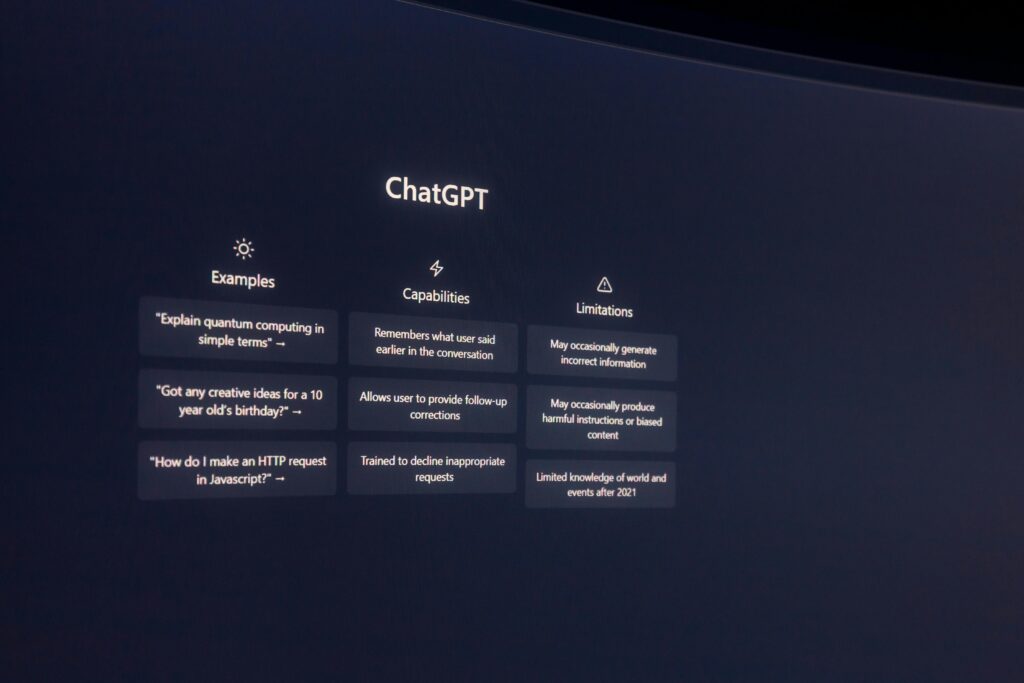
Chatbots have become part of your daily life. You see them while shopping online, booking flights, or asking questions on websites. Some chatbots even feel surprisingly human during conversations. That magic happens because of ai programming languages, advanced language processing systems working behind the scenes.
When you type a message, a chatbot does much more than read words. It studies meaning, context, emotions, and patterns. Modern systems use machine learning and natural language processing to understand what you actually mean. This process helps chatbots respond naturally instead of sounding robotic.
Many developers build these systems using popular ai programming languages like Python, Java, and Rust. These languages help engineers create smarter and faster chatbot applications. However, the real secret lies in how chatbots learn human communication patterns over time.
Ai Programming languages Break Sentences Into Smaller Parts
When you send a message to a chatbot, the system first splits your sentence into smaller pieces. These pieces are called tokens. A token can be a word, punctuation mark, or even part of a word.
For example, if you type “Where can I order pizza tonight?” the chatbot separates the sentence carefully. It then studies each token to understand your request. This step may sound simple, but it is extremely important.
Think about how you listen during a conversation. You naturally break sentences into understandable parts. Chatbots try to copy this human behavior using algorithms and language models.
The chatbot also checks sentence structure. It looks at grammar, word order, and relationships between words. This helps the system recognize whether you are asking a question, making a complaint, or requesting help.
Popular ai programming languages play a major role here. Developers use libraries and frameworks to train systems on millions of text examples. These examples teach chatbots how humans communicate in different situations.
Here you can find more informations about what ai bot does mean
Context Helps Ai Programming languages Sound More Human
Understanding words alone is not enough. Chatbots must also understand context. Without context, conversations would become confusing very quickly.
Imagine you ask, “What’s the weather in Istanbul?” Then you follow with, “Will it rain tomorrow?” A smart chatbot understands that “it” refers to Istanbul’s weather. That connection happens because the chatbot remembers earlier parts of your conversation.
This ability makes chatbot conversations smoother and more natural. You do not need to repeat yourself constantly. That creates a better user experience and saves time.
Context also helps chatbots understand emotions and intentions. For example, the sentence “Great, my phone crashed again” may sound positive at first glance. However, the chatbot learns that the user is actually frustrated.
Developers train systems with huge datasets containing real conversations. Machine learning models study patterns within these conversations. Over time, the chatbot becomes better at identifying sarcasm, humor, and emotional tone.
Many advanced ai programming languages support natural language processing libraries that improve contextual understanding. Python remains especially popular because it offers flexible tools for artificial intelligence projects.
Machine Learning Teaches Chatbots Over Time
Chatbots improve through practice, just like humans. They learn from massive amounts of data and repeated interactions. This process is known as machine learning.
During training, the chatbot studies millions of examples. It learns how questions connect to specific answers. Over time, it identifies patterns and predicts suitable responses more accurately.
For instance, if thousands of users ask about password resets, the chatbot recognizes common phrases connected to that issue. Eventually, it responds faster and with better accuracy.
This learning process helps chatbots adapt to different writing styles. Some users type formally, while others use slang or emojis. Modern chatbots can often understand both styles without difficulty.
Training large models requires powerful computing systems. Developers often combine several ai programming languages to improve performance and scalability. One language may handle data analysis, while another manages speed and memory efficiency.
You can compare chatbot learning to teaching a child new vocabulary. At first, mistakes happen frequently. With enough examples and corrections, understanding improves steadily.
Natural Language Processing Makes Conversations Possible
Natural language processing, often called NLP, is the foundation of chatbot communication. NLP allows machines to interpret and generate human language in useful ways.
Without NLP, chatbots would only recognize simple commands. Conversations would feel stiff and repetitive. Thanks to NLP, chatbots can answer complex questions and maintain flowing discussions.
NLP systems perform several important tasks. They identify keywords, detect emotions, recognize names, and analyze sentence meaning. Some systems can even translate languages instantly.
Voice assistants rely heavily on NLP technology. When you speak to a smart assistant, the system converts your speech into text first. After that, it processes meaning and creates a response.
Modern NLP models are far more advanced than early chatbot systems. Older bots followed strict rules and often misunderstood users. Today’s systems use deep learning models that continuously improve accuracy.
Many companies choose flexible ai programming languages because they support powerful NLP frameworks. These tools simplify chatbot development and reduce training time.
Why Human Language Is So Difficult
Human language is surprisingly messy. People use jokes, slang, abbreviations, and cultural references constantly. One word may have multiple meanings depending on context.
Take the word “apple.” You might mean the fruit or the technology company. A chatbot must study surrounding words carefully before deciding.
Spelling mistakes create another challenge. Many users type quickly and make errors. Modern chatbots use prediction systems to guess intended meanings even with incorrect spelling.
Languages also evolve constantly. New internet slang appears almost every year. Chatbots must continue learning to stay useful and relevant.
This challenge explains why chatbot development remains an active field in artificial intelligence research. Engineers continuously improve algorithms to create more natural conversations.
As chatbot technology grows, ai programming languages will continue shaping smarter communication systems. Future chatbots may understand emotions, humor, and personal preferences even better than today’s systems.
For now, every chatbot conversation represents a mix of language science, machine learning, and clever programming working together behind the screen.
Best Coding Languages for NLP
Natural Language Processing, often called NLP, powers many tools you use every day. Search engines, chatbots, translators, and voice assistants all rely on NLP systems. These systems help computers understand and respond to human language naturally.
Behind every smart NLP tool stands a programming language doing the heavy lifting. Some languages make NLP projects easier, faster, and more accurate. Others help developers build systems that can process huge amounts of text efficiently.
If you want to explore artificial intelligence, choosing the right language matters. Different ai programming languages offer different strengths for NLP development. Some focus on simplicity, while others focus on speed and scalability.
The good news is you do not need to master every language. You only need to understand which one fits your goals best. Let’s explore the most popular coding languages used in NLP today.
Python Makes NLP Easy for Beginners
Python remains the superstar of NLP development. You will find Python almost everywhere in artificial intelligence projects. Developers love it because the language feels simple and readable.
Even if you are new to coding, Python looks friendly compared to many languages. Its clean structure helps you focus on solving problems instead of fighting syntax errors.
Python also offers powerful NLP libraries. Tools like NLTK, spaCy, and Transformers simplify complicated language tasks. These libraries allow you to analyze text, detect emotions, and build chatbots quickly.
For example, you can create a basic sentiment analyzer with surprisingly little code. That simplicity explains why universities and tech companies rely heavily on Python.
Many machine learning frameworks also support Python naturally. TensorFlow and PyTorch work smoothly with NLP applications. This makes Python one of the most flexible ai programming languages available today.
Python shines when you build prototypes or experiment with new ideas. You can test concepts quickly without wasting time on technical complexity.
However, Python is not perfect. Large NLP systems sometimes need faster processing speeds. Since Python runs slower than some compiled languages, developers occasionally combine it with other tools.
Still, if you want an easy starting point for NLP, Python is hard to beat.
Java Handles Large NLP Applications Well
Java remains a strong choice for enterprise-level NLP systems. Many large companies use Java because it handles massive applications reliably.
Unlike Python, Java focuses heavily on performance and stability. This makes it useful for systems processing huge volumes of text daily. Banks, healthcare companies, and large platforms often depend on Java-based NLP tools.
Java also supports multithreading efficiently. That means your NLP application can process several tasks simultaneously. This becomes important when handling thousands of user requests every minute.
You may notice that Java code feels more structured than Python. Some beginners find it slightly harder to learn. However, the strict structure reduces mistakes in large projects.
Several NLP libraries support Java development. Apache OpenNLP and Stanford NLP remain popular choices among developers. These tools help with speech tagging, entity recognition, and text classification.
Java also works well across operating systems. You can run the same application on different platforms without major changes. This flexibility helps companies scale their NLP products faster.
Although newer ai programming languages receive attention online, Java still powers many important systems behind the scenes.
R Is Great for Text Analysis and Research
R may not dominate headlines like Python, but it remains valuable for NLP research and analytics. Data scientists often choose R when working with statistics-heavy projects.
If you enjoy analyzing trends in text data, R offers excellent visualization tools. You can create charts, graphs, and reports easily. This makes R useful for studying customer reviews, survey responses, and social media conversations.
R contains several NLP packages designed for text mining and language analysis. Popular libraries include tm, quanteda, and tidytext. These tools simplify tasks like keyword extraction and topic modeling.
Researchers often use R for academic studies involving large text datasets. Marketing teams also use it to analyze customer sentiment and online discussions.
Compared to Python, R feels more specialized toward data analysis. You may not choose it for building commercial chatbots. However, it works beautifully for understanding language patterns and generating insights.
Some developers combine R with other ai programming languages to create balanced workflows. One language handles analysis, while another manages deployment.
If you enjoy numbers, charts, and language trends, R deserves attention.
C++ Delivers Speed for Advanced NLP Systems
Some NLP applications require incredible speed. Voice assistants and real-time translation tools cannot afford delays. That is where C++ becomes useful.
C++ offers exceptional performance because it works closer to computer hardware. Developers can optimize memory usage and processing speed carefully.
Large AI systems often use C++ behind the scenes, even when the front-end uses another language. This combination balances usability and performance.
For example, deep learning frameworks sometimes rely on C++ for intensive computations. Developers may build core processing engines in C++ while using Python for easier scripting.
The downside is complexity. C++ requires more technical knowledge than beginner-friendly languages. Small mistakes can create difficult bugs or memory issues.
Still, experienced developers appreciate the control C++ provides. It allows precise optimization for demanding NLP systems.
As AI technology advances, performance becomes increasingly important. Faster systems improve user experiences dramatically. That is why C++ continues playing a valuable role among ai programming languages.
JavaScript Brings NLP to Web Applications
JavaScript powers much of the modern internet. It also plays a growing role in NLP applications, especially web-based tools.
If you use chatbots on websites, JavaScript probably helps run them. Developers use JavaScript to create interactive language experiences directly inside browsers.
Node.js expanded JavaScript capabilities beyond websites. Now developers can build server-side NLP applications using the same language.
JavaScript libraries like Natural and compromise support text processing tasks. These tools handle keyword extraction, classification, and language analysis.
One major advantage involves real-time interaction. JavaScript helps NLP applications respond quickly without constant server communication.
Although JavaScript may not replace Python in advanced AI research, it remains useful for user-facing applications. It connects NLP systems smoothly with websites and online platforms.
Choosing the Right Language for Your NLP Journey
Every language offers unique strengths for NLP development. Your best choice depends on your goals, experience, and project requirements.
If you want beginner-friendly learning, Python remains the easiest option. If you need enterprise performance, Java becomes attractive. For analytics and research, R works wonderfully. When speed matters most, C++ shines brightly.
Modern developers often combine several ai programming languages within one project. This approach allows teams to balance speed, flexibility, and usability effectively.
The exciting part is that NLP keeps evolving rapidly. New tools and frameworks appear constantly. No matter which language you choose, you are entering one of technology’s most fascinating fields.
Soon, you may build systems that understand conversations, analyze emotions, or translate languages instantly. That possibility makes learning NLP both practical and incredibly fun.
AI Frameworks for Smarter Bots
Chatbots have become much smarter than the simple bots you saw years ago. Modern bots can answer questions, understand emotions, and even continue conversations naturally. Some bots now feel surprisingly close to human communication.
That improvement did not happen by accident. Powerful AI frameworks help developers build smarter and faster chatbot systems. These frameworks provide ready-made tools that simplify complicated artificial intelligence tasks.
Instead of coding everything from scratch, developers use frameworks to save time and improve performance. Think of frameworks like cooking kits. You still prepare the meal, but the important ingredients already exist.
Many frameworks also work smoothly with popular ai programming languages like Python, Java, and JavaScript. This combination allows developers to create advanced bots without spending years building core systems manually.
If you have ever chatted with customer support online, you probably interacted with a framework-powered bot already. Let’s explore the most popular AI frameworks making chatbots smarter today.
TensorFlow Helps Bots Learn Faster
TensorFlow remains one of the most popular AI frameworks worldwide. Google created it to support machine learning and deep learning applications.
Developers use TensorFlow to train chatbots using massive datasets. The framework helps bots recognize language patterns, predict responses, and improve over time.
For example, a chatbot trained with TensorFlow can learn customer questions gradually. After enough training, the bot responds more naturally and accurately.
One major advantage involves scalability. TensorFlow handles small chatbot projects and large enterprise systems equally well. This flexibility makes it attractive for companies of all sizes.
TensorFlow also supports neural networks, which imitate parts of human learning behavior. These networks help chatbots understand language context better.
You can build voice assistants, recommendation systems, and conversational bots using TensorFlow tools. Many advanced AI applications depend on this framework daily.
The framework works especially well with Python, one of the leading ai programming languages today. Python’s simple structure makes TensorFlow development easier for beginners and professionals alike.
Although TensorFlow offers impressive capabilities, beginners sometimes find it overwhelming initially. Fortunately, thousands of tutorials and online communities simplify the learning process.
PyTorch Makes AI Development Flexible
PyTorch has become extremely popular among AI researchers and developers. Facebook originally developed the framework to simplify deep learning experiments.
Many developers enjoy PyTorch because it feels flexible and intuitive. You can test ideas quickly without dealing with excessive technical complexity.
This flexibility matters greatly during chatbot development. Conversations rarely follow predictable patterns. Developers often need to adjust models constantly during training.
PyTorch allows rapid experimentation with NLP systems and chatbot architectures. Researchers especially appreciate this feature when testing new conversational models.
The framework also supports dynamic computation graphs. That sounds technical, but the idea remains simple. Developers can modify models during runtime more easily.
You may notice that many modern AI research papers mention PyTorch frequently. Universities and startups often prefer it for cutting-edge projects.
PyTorch integrates naturally with Python and other ai programming languages used in machine learning. This compatibility speeds up development significantly.
Another strength involves community support. Thousands of developers contribute tutorials, tools, and open-source projects regularly. That makes learning less intimidating for newcomers.
If you enjoy experimenting and learning by doing, PyTorch offers an exciting environment for chatbot development.
Rasa Creates More Human Conversations
Rasa focuses specifically on conversational AI and chatbot development. Unlike general AI frameworks, Rasa specializes in building intelligent dialogue systems.
Developers use Rasa to create bots that remember conversations and respond naturally. This helps bots avoid sounding repetitive or robotic.
For example, imagine you ask a travel bot about flights. Later, you ask about hotel prices. A Rasa-powered bot remembers your destination automatically.
That memory improves user experience dramatically. You avoid repeating details constantly during conversations.
Rasa also supports customizable chatbot behavior. Businesses can design bots matching their specific needs and communication styles.
Privacy represents another major advantage. Unlike some cloud-based services, Rasa allows companies to host systems privately. This becomes important when handling sensitive customer information.
Many developers combine Rasa with popular ai programming languages to build scalable support systems. Python remains the most common choice because Rasa supports it extensively.
Another interesting feature involves multilingual support. You can train Rasa bots to understand different languages and regional expressions.
This flexibility makes Rasa useful for international companies serving diverse audiences online.
Dialogflow Simplifies Voice and Chat Bots
Dialogflow, created by Google, helps developers build conversational interfaces quickly. It supports both voice assistants and text-based chatbots.
One reason developers like Dialogflow involves simplicity. The platform provides visual tools that reduce coding complexity.
Even beginners can create functional chatbot systems relatively quickly. You define intents, add training phrases, and configure responses easily.
For example, you might create a restaurant bot handling reservations and menu questions. Dialogflow helps organize those interactions smoothly.
The framework also integrates with platforms like WhatsApp, websites, and smart assistants. This allows businesses to deploy bots across multiple channels efficiently.
Natural language understanding remains one of Dialogflow’s strongest features. The framework identifies user intentions even when wording changes.
You can ask the same question several ways, and the bot still understands your meaning correctly.
Dialogflow works alongside several ai programming languages depending on project requirements. Developers often connect it with backend systems using JavaScript or Python.
Although advanced customization sometimes requires extra work, Dialogflow remains excellent for rapid chatbot deployment.
Microsoft Bot Framework Supports Enterprise Bots
Large companies often require chatbot systems that connect with many business tools. Microsoft Bot Framework helps solve this challenge.
The framework supports integration with Microsoft services, websites, and communication platforms. Businesses use it for customer support, internal assistance, and productivity tools.
One useful feature involves omnichannel communication. A single bot can operate across websites, apps, and messaging platforms simultaneously.
This consistency improves customer experiences across digital channels.
Microsoft Bot Framework also supports AI capabilities through Azure services. Developers can add speech recognition, translation, and sentiment analysis features easily.
The framework works with several ai programming languages including C#, JavaScript, and Python. This flexibility helps development teams choose familiar technologies.
Enterprise companies appreciate the framework’s security and scalability features. Large systems require stable performance under heavy usage conditions.
If you work in corporate technology environments, Microsoft Bot Framework may feel especially attractive.
Choosing the Right Framework for Smarter Bots
Every AI framework offers different strengths for chatbot development. Your ideal choice depends on your goals, experience, and project size.
TensorFlow shines in deep learning projects. PyTorch encourages experimentation and flexibility. Rasa focuses on natural conversations. Dialogflow simplifies deployment. Microsoft Bot Framework supports enterprise-scale solutions.
Most developers combine frameworks with reliable ai programming languages to build efficient systems. Python continues dominating because many frameworks support it directly.
The exciting part is that chatbot technology keeps improving rapidly. Frameworks become smarter, easier, and more accessible every year.
Today, even small businesses can build advanced conversational bots without massive budgets. That accessibility opens creative possibilities for developers everywhere.
As AI evolves further, future bots may understand emotions, humor, and complex conversations even better. The frameworks you learn today could help shape tomorrow’s digital communication experiences.
Ethical Issues in Conversational AI
Conversational AI has changed how you interact with technology every day. You chat with virtual assistants, customer service bots, and smart apps constantly. These systems save time and often make life more convenient.
However, conversational AI also creates important ethical concerns. As bots become smarter, people begin asking difficult questions about privacy, fairness, and trust.
For example, should a chatbot collect your personal information without clear permission? Can AI systems accidentally spread harmful misinformation? What happens when bots replace human jobs?
These questions matter because conversational AI keeps growing rapidly. Businesses, schools, hospitals, and governments increasingly depend on AI communication tools.
Many developers build these systems using modern ai programming languages like Python and Java. Yet technology alone cannot solve ethical challenges automatically. Human responsibility still plays a major role.
The good news is that many companies and researchers now focus heavily on ethical AI development. Let’s explore the biggest ethical issues surrounding conversational AI today.
Privacy Concerns Continue Growing
Whenever you chat with an AI bot, data gets collected somewhere. The system may store your questions, preferences, location, or conversation history.
That information helps bots improve future responses. However, it also creates privacy concerns for users.
Imagine discussing sensitive health or financial issues with a chatbot. You probably expect that information to remain secure and private.
Unfortunately, not every company handles user data responsibly. Weak security systems can expose personal information to hackers or unauthorized access.
Some chatbots also collect more information than users realize. Long privacy policies often confuse people instead of helping them understand risks clearly.
This situation creates trust problems. If users feel uncomfortable, they may avoid AI tools completely.
Developers working with ai programming languages must prioritize strong data protection measures. Encryption, secure storage, and clear privacy settings help reduce risks.
Transparency also matters greatly. Users deserve honest explanations about what data gets collected and how companies use it.
You should never feel tricked into sharing personal information unknowingly. Ethical conversational AI should respect your privacy from the beginning.
AI Bias Can Affect Conversations
Bias remains one of the biggest ethical problems in conversational AI. AI systems learn from human-created data, and human data often contains unfair patterns.
For example, if training data includes stereotypes, the chatbot may repeat biased responses unintentionally. This can affect race, gender, culture, or social groups unfairly.
Imagine asking a career chatbot for job advice. A biased system might suggest technical careers more often to men than women. That creates unfair opportunities and harmful assumptions.
Bias can also appear in language understanding. Some chatbots struggle to understand accents, dialects, or regional expressions accurately.
These problems happen because AI learns from historical information. If past data reflects discrimination, the AI may continue those patterns automatically.
Developers now spend more time testing conversational systems carefully. They review datasets and adjust algorithms to reduce harmful bias.
Many teams use advanced ai programming languages alongside fairness tools to improve chatbot behavior. Still, removing bias completely remains extremely challenging.
Human language itself contains cultural complexity and hidden assumptions. That means ethical AI development requires constant monitoring and improvement.
As a user, you should remember that conversational AI is not perfectly neutral. Behind every system stands human-made data and human decisions.
Fake Conversations Can Mislead Users
Some conversational bots sound surprisingly human today. While this feels impressive, it also creates ethical concerns about honesty and transparency.
You deserve to know whether you are speaking with a human or a machine. Confusion can damage trust quickly.
Imagine receiving emotional support from a chatbot without realizing it is artificial. Some users may form unhealthy emotional attachments to AI systems.
Certain companies also use bots to influence opinions online. Fake accounts and automated conversations can spread misinformation rapidly across social media platforms.
This issue becomes especially dangerous during elections, public emergencies, or major world events. AI-generated conversations may manipulate public opinion intentionally.
Deepfake voice technology creates additional risks. Some scammers already use AI-generated voices to impersonate real people fraudulently.
Developers must design systems responsibly to reduce deception risks. Ethical chatbots should identify themselves clearly during interactions.
Many companies now add labels explaining when users interact with AI systems instead of humans. This simple step improves transparency significantly.
Responsible development practices matter just as much as technical innovation. Even the best ai programming languages cannot guarantee ethical behavior automatically.
Job Automation Raises New Questions
Conversational AI helps businesses reduce costs and improve efficiency. However, automation also creates concerns about job replacement.
Many companies now use chatbots for customer support instead of large human teams. Simple questions get answered instantly without human involvement.
From a business perspective, this sounds efficient. From a worker’s perspective, it may feel worrying.
Some jobs may disappear completely as AI systems improve further. Customer service, scheduling, and basic technical support already rely heavily on automation.
At the same time, new AI-related jobs continue appearing. Developers, AI trainers, ethics specialists, and data analysts remain in high demand.
The challenge involves balancing innovation with social responsibility. Companies should support workers during technological transitions instead of ignoring the impact completely.
Education also becomes increasingly important. Learning digital skills and understanding ai programming languages may help workers adapt to future changes.
History shows that technology often changes industries rather than destroying them entirely. Still, transitions can feel uncomfortable and uncertain for many people.
Emotional Manipulation Needs Attention
Modern conversational AI can recognize emotions surprisingly well. Some systems detect frustration, happiness, or sadness during conversations.
This capability creates helpful possibilities. Mental health bots, for example, may offer supportive conversations during stressful moments.
However, emotional understanding can also become manipulative if misused.
Imagine a shopping chatbot detecting sadness and pushing emotional purchases aggressively. That type of manipulation raises serious ethical concerns.
Children and vulnerable users face even greater risks. Young users may trust conversational AI too easily without understanding commercial motives.
Ethical AI systems should avoid exploiting emotional weaknesses intentionally. Responsible companies create boundaries protecting users from harmful manipulation.
Developers increasingly discuss emotional safety during chatbot design processes. Ethical standards now play larger roles in AI development discussions worldwide.
Building More Responsible Conversational AI Programming Languages
The future of conversational AI depends on responsible development choices today. Privacy, fairness, honesty, and accountability must remain priorities.
Technology itself is not automatically good or bad. The impact depends on how humans design and use these systems.
Developers using ai programming languages hold significant responsibility. Their decisions shape how millions of people experience AI interactions daily.
Governments and organizations also continue creating ethical guidelines for AI systems. These rules aim to protect users while encouraging innovation.
As a user, staying informed helps you make smarter decisions online. Understanding ethical concerns allows you to recognize risks and ask important questions.
Conversational AI will likely become even more advanced in coming years. Bots may soon handle education, healthcare, entertainment, and emotional support regularly.
That future offers exciting possibilities, but ethical responsibility must grow alongside technological progress. Smart AI should not only sound intelligent. It should also respect people, protect users, and support society fairly.